
Rishikesh stands as a global center for yogic education, drawing aspirants from different cultures, age groups, and professional backgrounds. Many arrive with a desire to gain discipline, clarity, and professional credentials through a certified yoga course. However, selecting the right program requires careful thought. Before committing time, money, and energy, you must ask the right questions to avoid mismatched expectations and wasted effort.
If you plan to pursue 200 hour yoga training in rishikesh, clarity at the decision stage can shape your entire learning journey. A training program influences not only your technical skills but also your mindset, lifestyle habits, and professional direction. This article highlights five essential questions that help you make a confident and informed choice before stepping into a yoga teacher training program.
Key Takeaways
A 200-hour yoga course demands mental readiness, physical commitment, and discipline
Course structure and teaching methods shape long-term learning outcomes
Faculty experience matters more than promotional promises
Certification standards affect global teaching eligibility
Environment, support systems, and ethics influence personal growth
1. What Is the Core Focus of the Training Program?
Not every yoga school teaches with the same intent. Some focus heavily on physical postures, while others give equal weight to philosophy, breathwork, and meditation. Before enrolling, you must clarify what the program emphasizes and whether it aligns with your goals.
Many students assume that a 200-hour program only trains the body. In reality, a balanced curriculum includes asana practice, alignment techniques, yogic texts, anatomy, pranayama, teaching methodology, and personal discipline. If a school highlights only flexibility or fitness, it may not offer a holistic experience.
Ask for a detailed syllabus. Check whether daily schedules balance theory and practice. A strong program trains you to teach safely, communicate clearly, and guide students with confidence. It should also help you develop consistency in personal practice rather than just memorizing sequences.
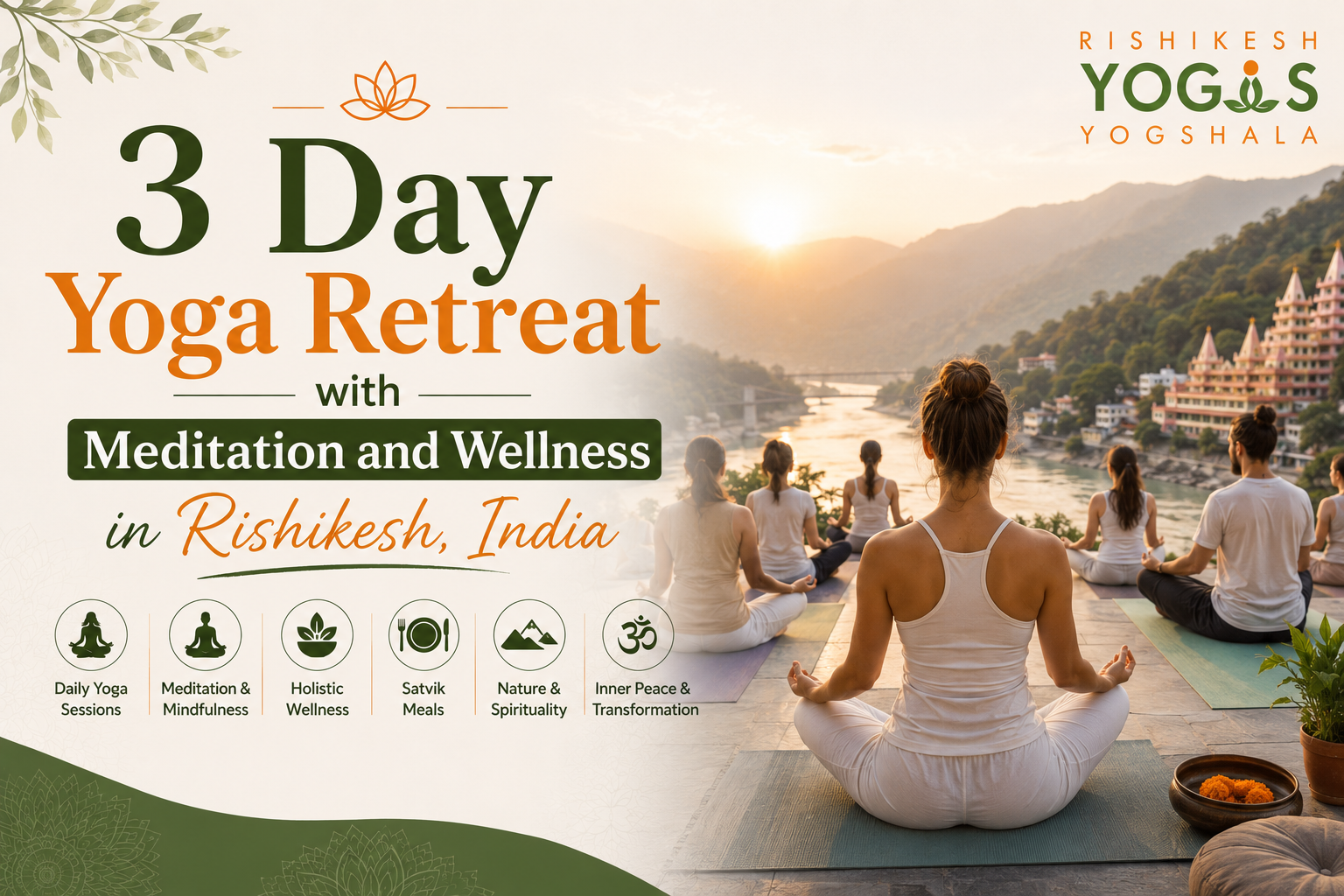
Programs linked with Rishikesh Yogis Yogshala often maintain a structured format that blends physical practice with classical yogic education. This approach helps students build a stable foundation rather than short-term skills.
2. Who Will Teach You, and What Is Their Teaching Background?
Teachers define the quality of a yoga training course. Their experience, teaching style, and ethics influence how effectively knowledge transfers to students. Before enrolling, you should research the faculty rather than relying only on the school’s reputation.
Ask how long the teachers have practiced and taught yoga. Experienced instructors communicate concepts clearly, adapt to student needs, and guide safely through physical and mental challenges. You should also check whether teachers specialize in specific areas such as alignment, philosophy, or therapeutic yoga.
Good instructors encourage questions, corrections, and reflection. They teach through demonstration and explanation, not authority or fear. During training, you will spend several hours daily with your teachers, so their approach and attitude matter greatly.
Also, verify whether the lead trainers remain present throughout the course or rotate frequently. Consistency builds trust and deeper learning. A stable teaching team helps students feel supported from the first day to the final assessment.
3. Does the Certification Meet International Teaching Standards?
Certification determines where and how you can teach after completing your course. A recognized certificate allows you to register with international yoga organizations and teach across countries. Before enrolling, confirm whether the training follows global standards.
Most reputable programs align with Yoga Alliance guidelines, covering required training hours and subject areas. This alignment ensures that your certification holds value beyond the training location. If you plan to teach abroad or online, recognition becomes essential.
Ask the school how many teaching hours the course includes, whether assessments exist, and how teaching practice takes place. Teaching practice should involve peer instruction, observation, and feedback. This process builds confidence and classroom readiness.
If your long-term plan includes teaching professionally, certification quality matters as much as personal growth. A well-structured 200 hour yoga training in rishikesh provides credentials that support both teaching skills and professional credibility.
4. What Daily Discipline and Lifestyle Commitments Does the Course Require?
Yoga training extends beyond the mat. It influences daily routines, food habits, sleep patterns, and mental discipline. Before joining, you should ask what lifestyle guidelines the course expects you to follow.
Most residential programs begin early in the morning and include multiple practice sessions, lectures, and self-study periods. This schedule demands physical stamina and mental focus. If you maintain work habits that conflict with such routines, adjustment becomes necessary.
Diet also plays a role. Many yoga schools provide sattvic meals that support practice and digestion. Understanding dietary guidelines helps you prepare mentally and physically. Ask whether the program includes fasting days, silence periods, or ethical observances.
Training also requires emotional resilience. Physical fatigue, mental resistance, and self-reflection often arise during the course. A supportive environment helps students navigate these phases with confidence and patience.
When you know what discipline the course requires, you enter training with realistic expectations and readiness.
5. How Does the School Support Students During and After Training?
Support systems shape the overall experience of a yoga training course. Beyond teaching sessions, students need guidance, safety, and community. Before enrolling, ask how the school supports students both during and after the program.
During training, support may include injury management, academic assistance, accommodation services, and emotional guidance. A responsive support team helps students focus on learning rather than logistics.
After training, some schools offer continued mentorship, teaching opportunities, or alumni networks. These resources help graduates transition from students to teachers with confidence. Ask whether the school provides guidance for teaching practice, class design, or professional growth.
Training programs associated with Rishikesh Yogis Yogshala often emphasize student care and long-term connection. Such support enhances confidence and continuity beyond certification.
Choosing a school that values student well-being ensures that learning continues even after the course ends.
Why This Choice Shapes Your Yogic Path
Selecting the right training program influences more than certification. It shapes your habits, mindset, and teaching approach for years to come. A well-chosen course helps you develop clarity, discipline, and confidence as both a practitioner and a teacher.
If you seek depth, structure, and guided growth, programs like 200 hour yoga training in rishikesh offer an immersive learning atmosphere rooted in tradition and practice. When the school maintains ethical teaching standards, structured learning, and student-centered values, the training experience becomes meaningful and lasting.
Taking time to ask these five questions allows you to choose a program that supports growth rather than confusion. The right decision strengthens not only your practice but also your ability to guide others with authenticity and skill.





Write a comment ...